
If you’re still posting daily, you’re creating content for the sake of it, not for your audience. The first step in building a successful social media strategy for nonprofit organization is to stop thinking about your posting schedule. Instead, focus on your audience’s journey. We call this auditing their intent.
Every single person who sees your content falls into a stage of the Donor/Advocate Journey. You can’t ask a stranger (Awareness stage) to donate $50 the same way you ask a long-time volunteer (Action stage). Your content must meet them where they are.
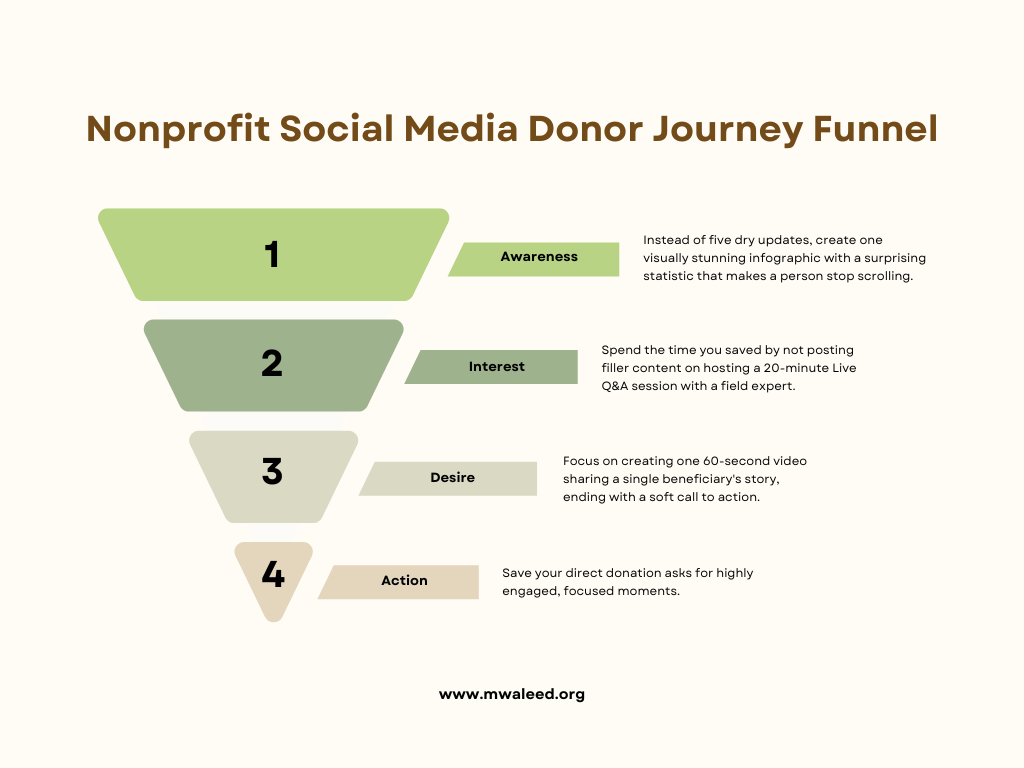
Mapping the Donor Journey to Specific Engagement Tactics
To truly maximize your non profit social media engagement strategy, your limited time and resources must be allocated to creating high-quality content for each stage:
| Stage | Audience Intent | Best Engagement Tactic | Example of Quality Over Quantity |
| Awareness | Who are you? (Informational) | Interactive Polls & Short, Sharable Facts | Instead of five dry updates, create one visually stunning infographic with a surprising statistic that makes a person stop scrolling. |
| Interest | What problem do you solve? (Educational) | Live Q&As & Educational Reels | Spend the time you saved by not posting filler content on hosting a 20-minute Live Q&A session with a field expert. |
| Desire | How can I help? (Emotional/Commitment) | Personal Story Videos & Volunteer Spotlights | Focus on creating one 60-second video sharing a single beneficiary’s story, ending with a soft call to action. |
| Action | I’m ready to commit. (Commercial/Support) | Direct Response Posts & Community Spotlights | Save your direct donation asks for highly engaged, focused moments. |
This intentional focus is where the “effortless” part of our strategy comes in. When you clearly define the goal of a single post—is it to raise awareness or drive action?—you remove the pressure to constantly invent new topics. Instead, you create strategic assets that work harder.
The key takeaway here, supported by experts in nonprofit social media marketing, is that your engagement tactics must match the specific “ask.” If you are not seeing high engagement, it’s not because you didn’t post enough; it’s because you asked an “Action” question when they were still in the “Awareness” stage.
We’ve established that posting less is better, provided that content is highly strategic. Now, let’s talk about where your time should actually be spent to re-claim your capacity.
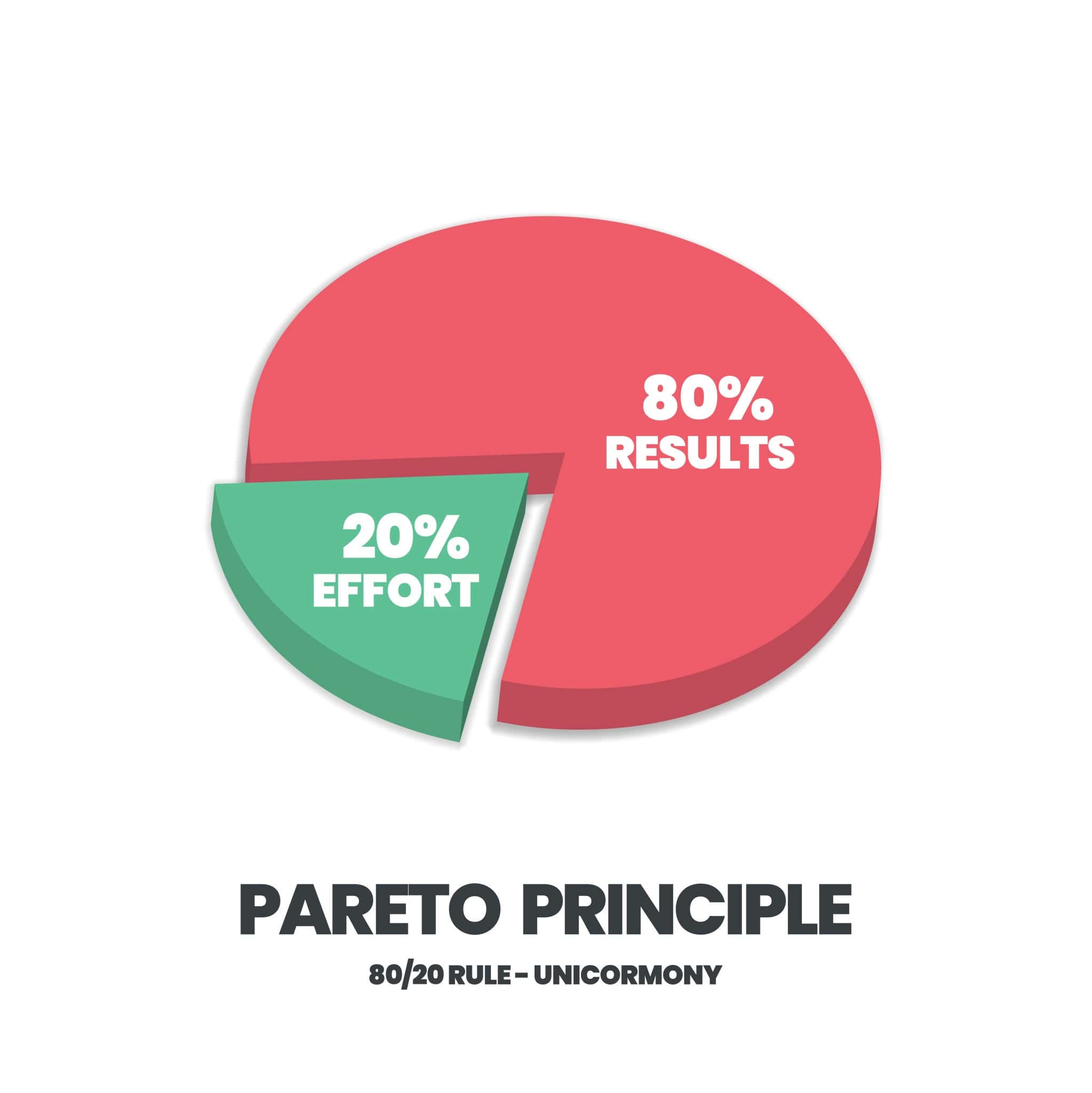
The Pareto Principle, or the 80/20 Rule, is a game-changer for the non profit social media manager. It suggests that 80% of your results come from 20% of your efforts. For your non profit social media marketing, this means you must:
- Spend 80% of your time on 20% of your best content and on Proactive Engagement.
- Spend 20% of your time on the creation of the other 80% of your calendar content.
This rule allows you to stop the high-volume grind and focus on the deep, meaningful interactions that build community and drive impact.
Micro-Content Magic: Turning a Single Asset into a Week of Content
One of the biggest time-wasters is starting from scratch every time you need a post. The 80/20 rule dictates that you should invest your time in one powerful piece of content—like a 3-minute interview with a program beneficiary—and repurpose it relentlessly.
Instead of five quick, separate posts, dedicate your time to:
Creating the Asset: Record a single, high-quality video interview.
Repurposing:
Clip the video into three 15-second Reels (Interest Stage).
Transcribe a key quote for two static posts (Awareness Stage).
Turn one statistic into a simple, branded graphic (Awareness Stage).
Use the transcript for a long-form LinkedIn post to attract corporate partners.
Proactive Engagement: The Real 80% of Your Job
Once your high-quality content is out, your job has just begun. The algorithms reward content that triggers immediate conversation. This is where you outshine the competitors who just post and walk away.
Your New Daily 30-Minute Engagement Routine:
- Respond Within the Hour: Social media is real-time. Make it a mission to respond to all comments and DMs on your most recent post within the first 60 minutes.
- Go Outbound: Search for conversations outside your page. Jump into relevant hashtag conversations (#CommunitySupport) where your expertise is relevant.
- Spotlight User-Generated Content (UGC): Nothing builds community faster than celebrating your fans. Share their posts! This builds loyalty and serves as powerful social proof, often increasing commitment by up to 55%.
By mastering the 80/20 Engagement Rule, you drastically cut your content creation time and shift your focus to the high-impact activities that convert passive followers into dedicated advocates.
You’ve committed to a leaner, strategic approach. Now, you must prove this new approach is working to your board or leadership.
You stop measuring the vanity metrics—likes, followers, and post volume—and start measuring the Engagement Rate (ER). This is the only metric that truly reflects the quality of your content and the depth of your community connections.
The True Measurement: Your Engagement Rate
A high Engagement Rate proves that your social media engagement strategy for nonprofits is driving meaningful action.
Your Engagement Rate (ER) is calculated by taking all meaningful interactions and dividing them by your total reach or followers:
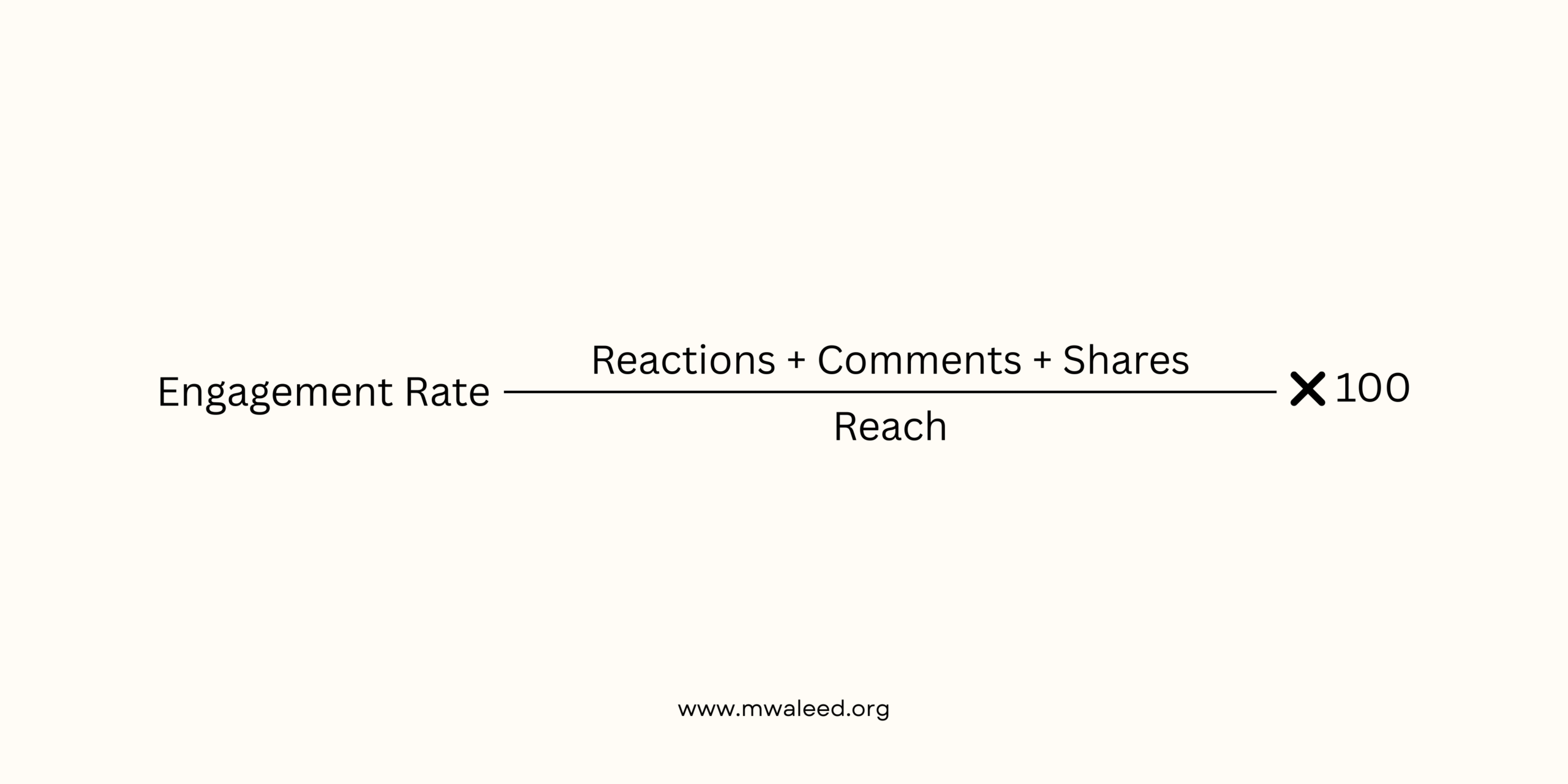
Why This Matters: When you post less, your because the algorithms reward your quality content. Your ER jumps because the audience is genuinely reacting. A high ER is the signal you need to show your board or leadership that the time saved on posting filler content is actually generating a higher return on time investment (ROTI).
How Often Should a Nonprofit Post on Social Media? (H3)
We can now directly answer the question that likely brought your reader here: just often enough to maintain a conversation.
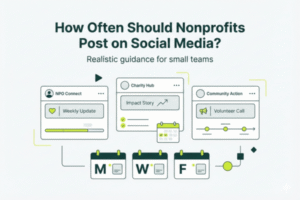
- Your New Goal: Post 2-3 times per week. These posts must be the high-value, strategic assets defined in Step 1.
- Your Strategy: Dedicate the rest of your capacity to proactive engagement (Step 2) and ensuring that those 2-3 posts receive maximum interaction.
This method delivers the greatest potential impact, proving that successful non profit social media isn’t about being present every day; it’s about being valuable every time you show up.